

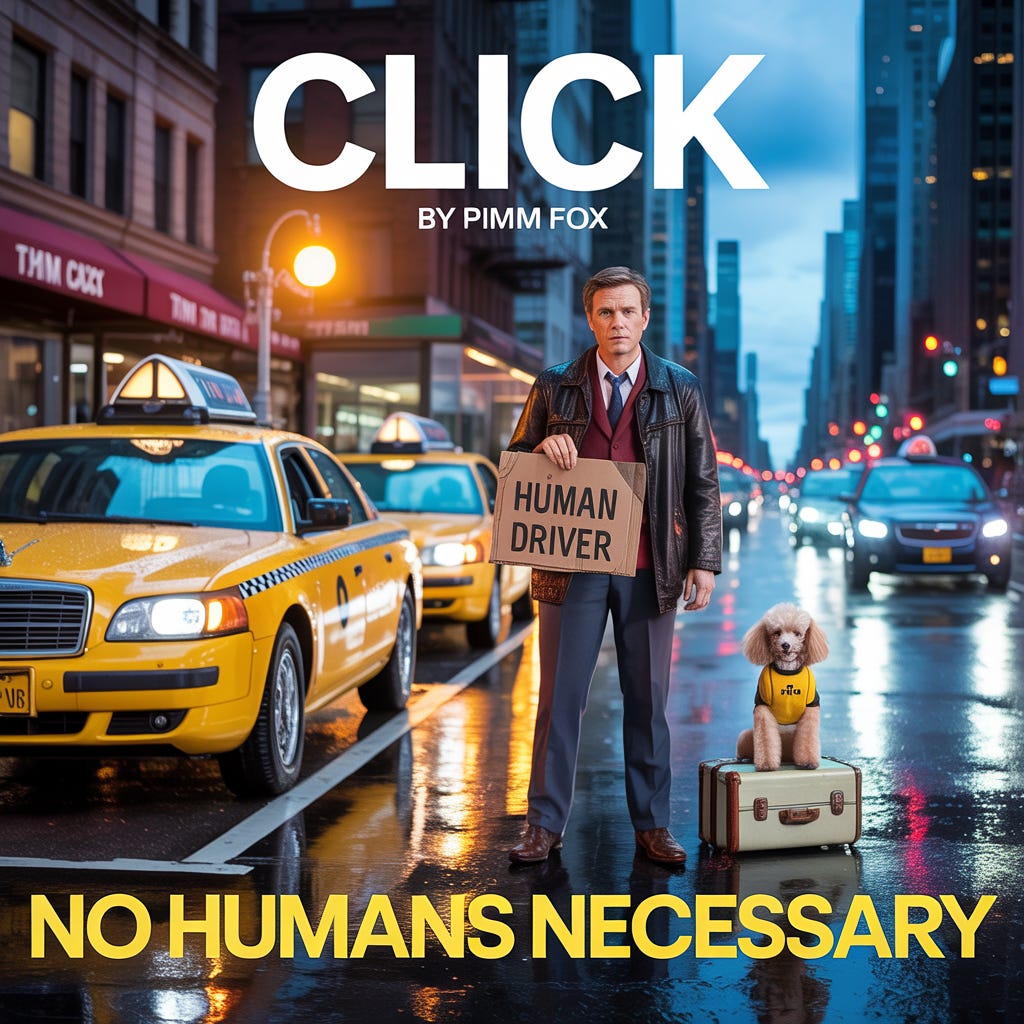
Let’s just start with the facts, shall we?
Because the facts — bless their stupid, beautiful hearts — require absolutely zero embellishment.
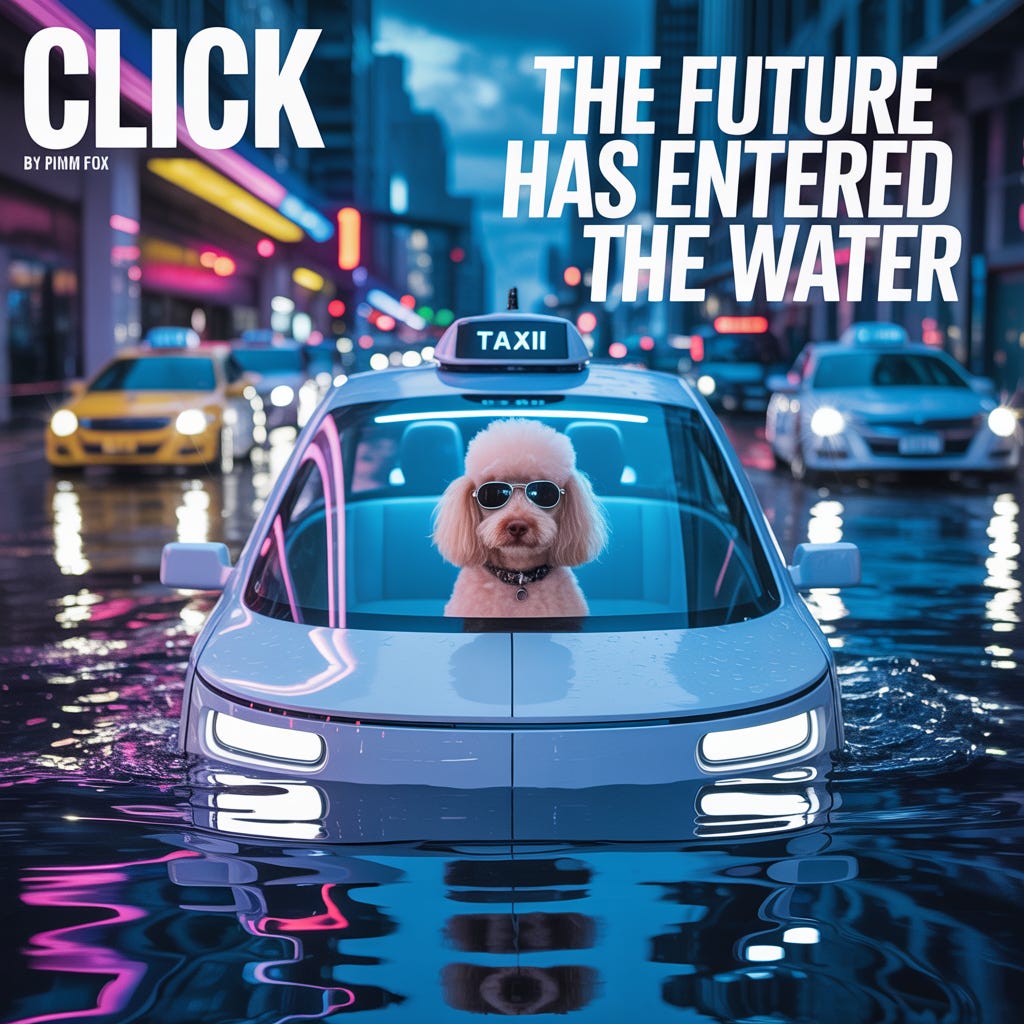
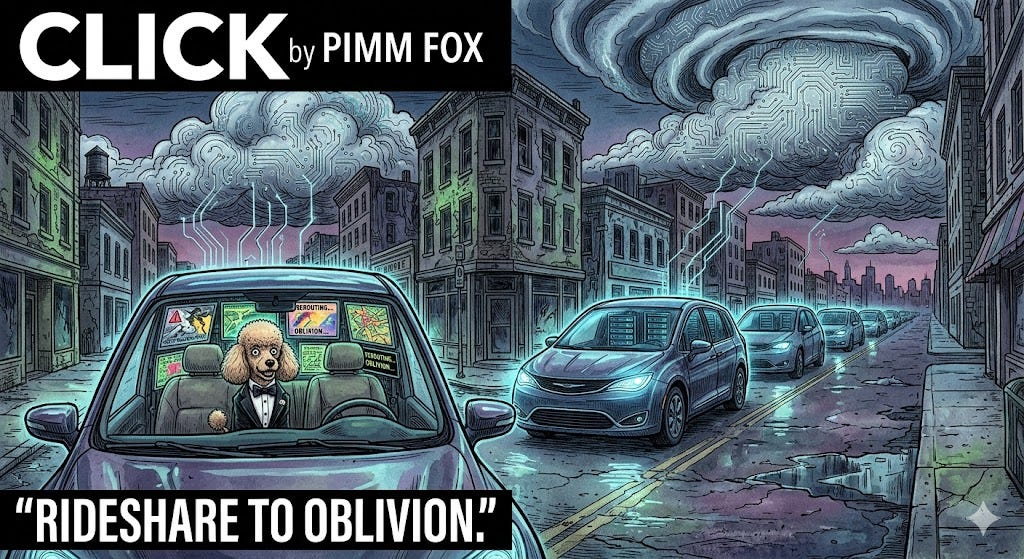
On April 20th, a Waymo robotaxi drove into a flooded road in San Antonio, Texas, at forty miles per hour.
The vehicle “detected flooding.”
And continued.
At forty miles per hour.
Into the flood.
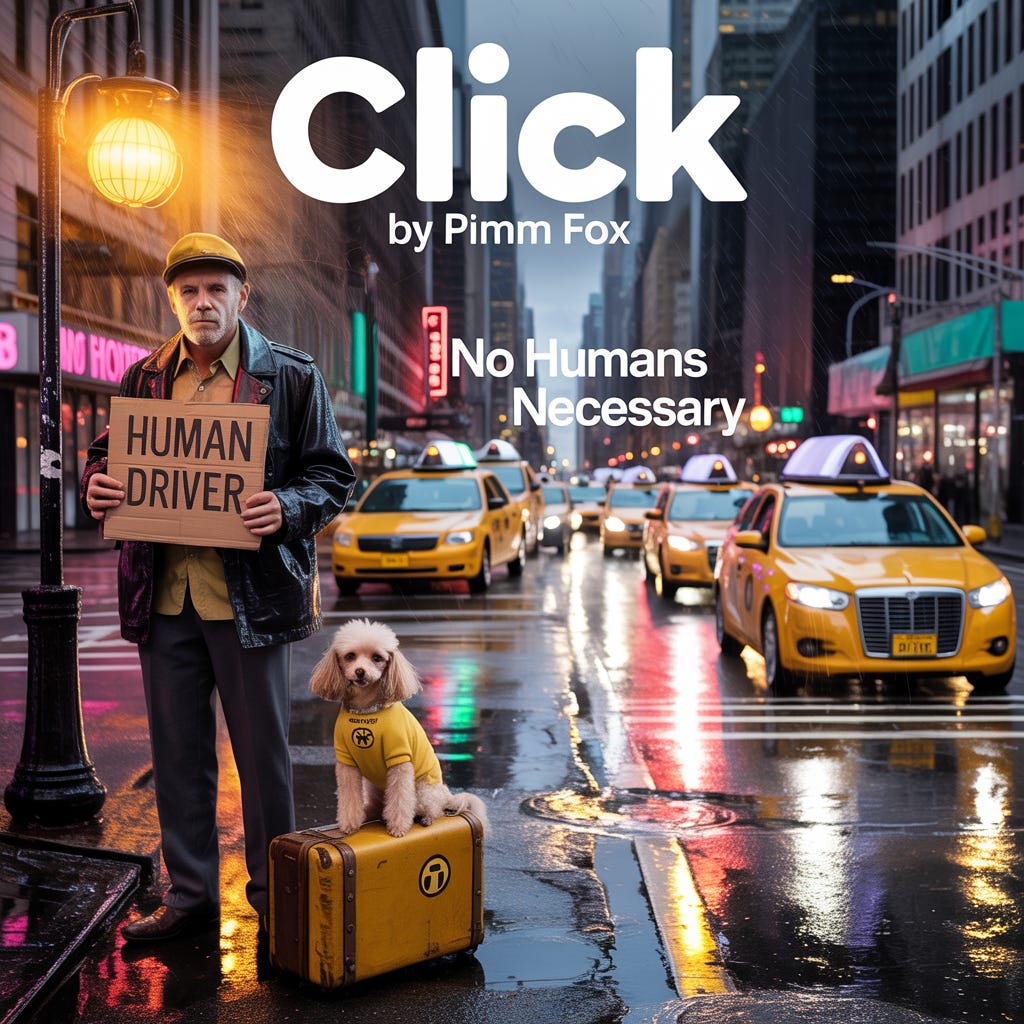
Now, I want you to find the dumbest cab driver in America — find him, the guy who once drove the wrong way on a one-way street while eating a burrito and arguing with his ex-wife — and I promise you, that man would not have driven into a flood at forty miles per hour.
That man has something Waymo’s sixth-generation Automated Driving System does not: the ability to say “oh hell no.”
OH HELLLL NOOOO!! THAT’S WATER!! THAT’S A RIVER WHERE A ROAD USED TO BE!!
But no.
The car — the $150,000 rolling monument to Silicon Valley’s boundless faith in its own intelligence — just eased on through.
Didn’t stop.
Didn’t reconsider.
Just reduced speed slightly, the way you slow down at a yellow light when you’re technically still going to run it.
And 3,800 of these things are on American roads right now.
Not as a warning.
As a service.
Let’s talk about the people who built this. These are men — and they are almost exclusively men — who have not made eye contact with a stranger since 2009.
Men who communicate exclusively through Slack and consider a “sync” to be a meaningful human interaction.
Men who have solved loneliness by removing all the humans.
Their solution to the complexity of navigating social reality?
Eliminate the other person entirely.
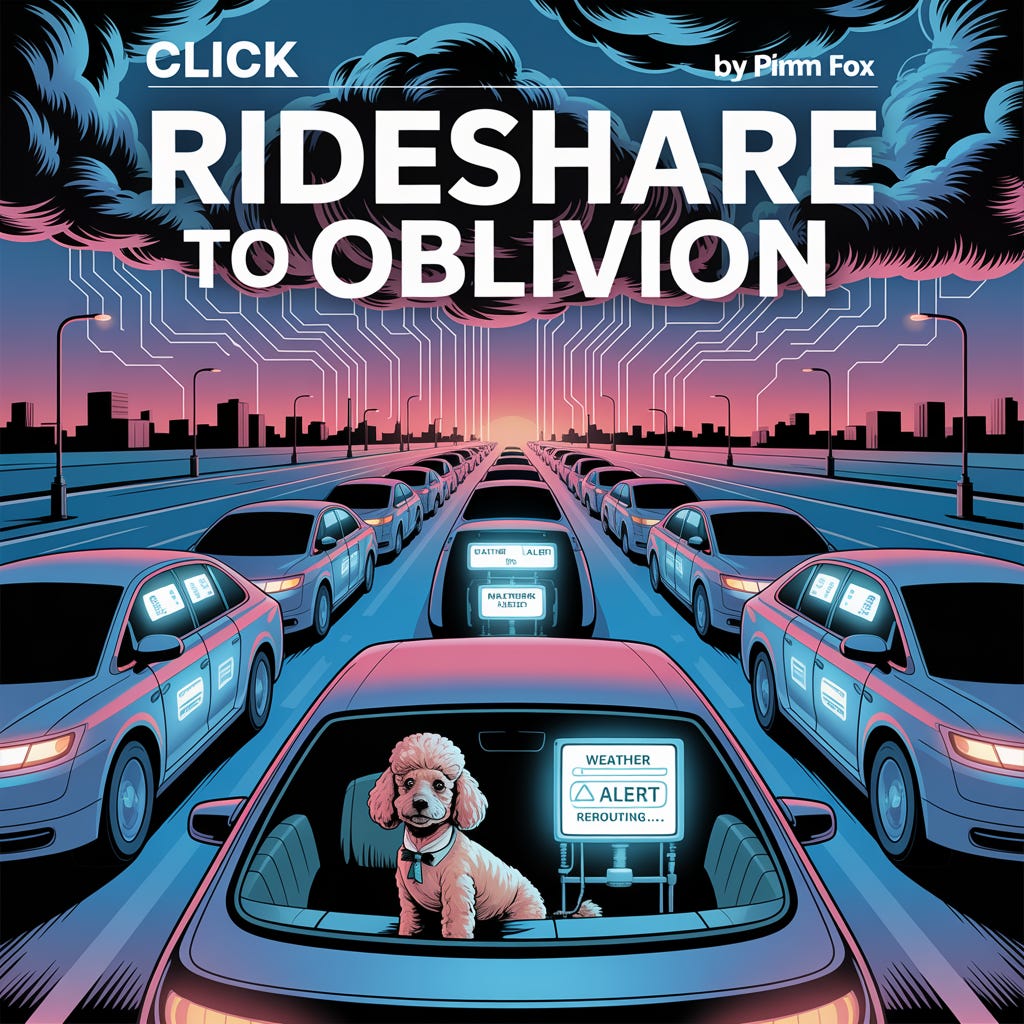
No driver. No conversation. No “how’s your day.” Just you, alone, in a rolling server rack, being ferried somewhere by an algorithm that will, under the right meteorological conditions, drive you directly into a lake.
Oh, but it’s progress.
Right.
Progress. Let me ask you something — progress for whom?
Because the cab driver, the Uber driver, the guy who moved from Guatemala and learned English in the front seat of a Ford Fusion over five years of twelve-hour shifts — that guy just became a line item.
A legacy cost.
A human to be deleted in the next software update.
We have taken one of the few jobs that requires a driver’s license and a pulse and replaced it with a machine that, and I cannot stress this enough, drove into a flood.
Meanwhile, Waymo is also under federal investigation for hitting a child near an elementary school.
And for passing a stopped school bus.
So to recap: floods, children, school buses.
The three things every sixteen-year-old driver’s ed student knows to avoid.
The autonomous future cannot clear the bar set by a teenager with a learner’s permit.
But sure.
Let’s remove the humans. They’re inefficient. They have feelings. They get tired, they get distracted, they occasionally want to talk about their daughter’s soccer game.
Then reality arrives — rain, floods, unpredictability, chaos—and suddenly the future starts hydroplaning into a drainage ditch.
Because life is messy. Human beings are messy. Cities are messy.
God forbid.
We are not being driven into the future.
This is just another chapter in America’s ecstatic march toward technological self-annihilation.
A nation replacing every human interaction with software until citizens spend their lives trapped inside apps, talking to chatbots, eating food delivered by drones, and riding around in empty cars designed by men who think empathy is a bandwidth issue.
At this rate, the final version of society will consist of lonely billionaires riding silently in waterproof robot coffins while the unemployed watch from the sidewalk, wondering why nobody needs them anymore.


