
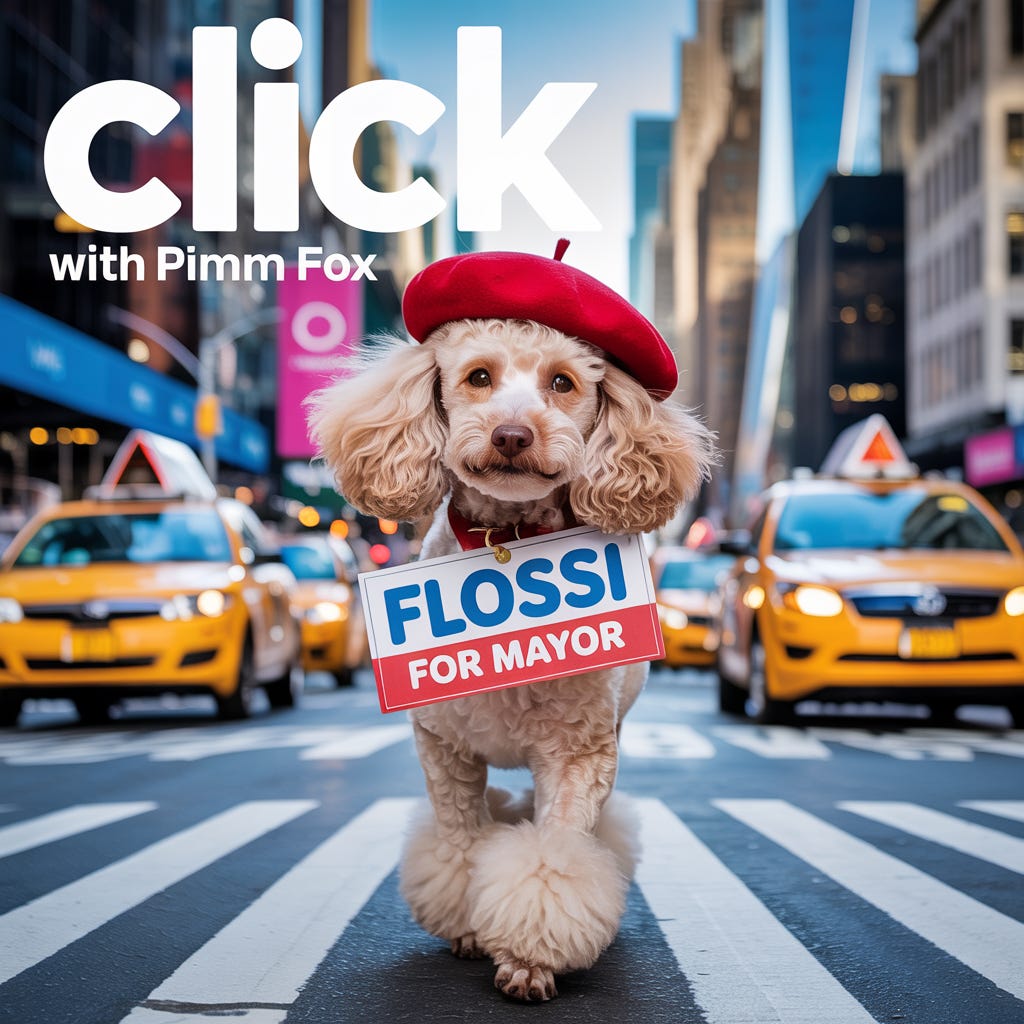
New York has decided to stage a mayoral race as performance art, and the casting is inspired: Curtis Sliwa, Zohran Mamdani, and Andrew Cuomo — three storefronts on the same block of civic neurosis.
It’s a Broadway revival of Democracy! with original songs by the subway brakes and lighting by ConEd.
Sliwa arrives first, because he travels at beret speed.
He campaigns like a vintage radio tuned to “1979 Vigilante FM,” hand-chopping the air, promising to deputize bodega cats and re-criminalize whatever you did five minutes ago.
His platform has two settings—“more cops” and “more cops wearing red.”
Ask about capital spending and he’ll talk capital letters: L-A-W. There’s a certain purity to it—like espresso in a paper cup that dissolves as you drink it.
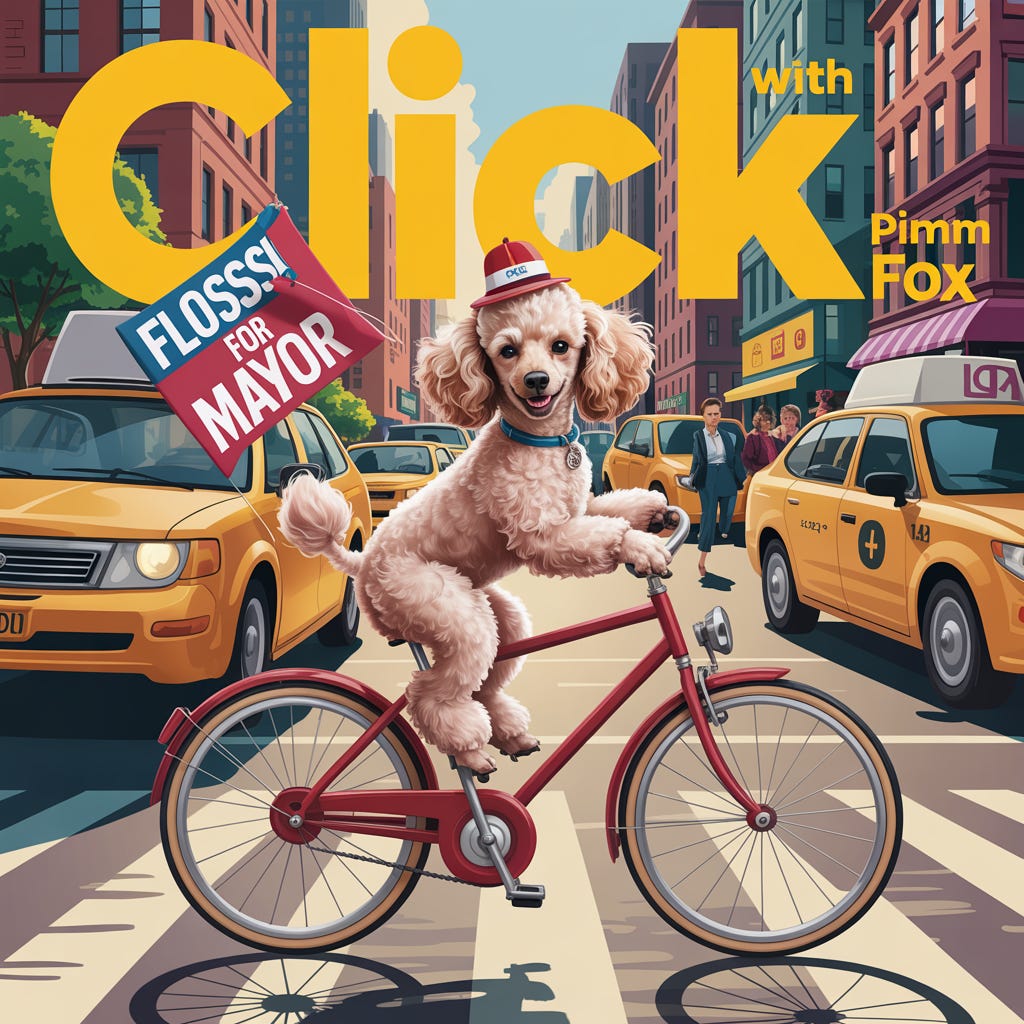
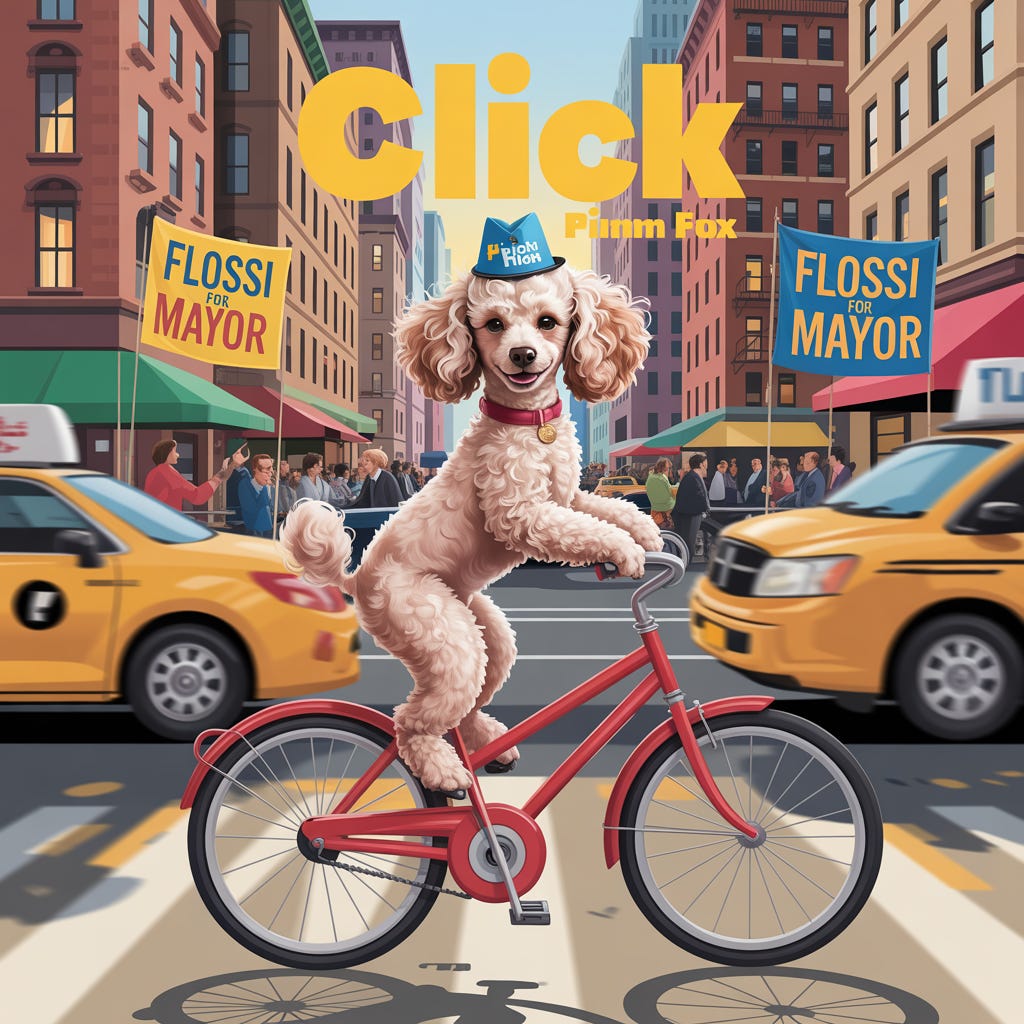
Mamdani rolls in by bike, gliding through the intersection of Moral Urgency and Parking Rage.
He speaks in well-structured paragraphs about housing as a human right, public power, fare-free buses, and a city where your landlord must make eye contact.
The crowd nods; the crowd also checks StreetEasy.
He wants to tax vacancy and luxury like new American vices.
He is the candidate for people who carry tote bags and grievance flowcharts, who believe the budget is a poem that must rhyme “equity” with “actual math.”
Then the air pressure changes and—like a helicopter that never lands—Cuomo materializes with a PowerPoint and a grudge.

The former governor talks about competence the way an old boxer talks about his left hook: with pride, fog, and selective memory. He promises “adult supervision,” a phrase that makes half the city reach for a vaccine card it no longer needs.
He is the candidate of bridges and bullet lists, of hard hats and harder elbows. There are charts. So many charts you can feel the fonts judging you.
The debate takes place in a repurposed roller rink in Queens, because symbolism is free. Moderators ask about crime, rent, trash, migrants, congestion pricing, and why the F train believes in long-distance relationships. Each answers exactly as advertised.
Sliwa: Flood the zone with uniforms until the concept of disorder requests asylum in New Jersey.
Mamdani: Public safety requires public everything—housing, health care, transit, libraries with espresso machines—and a tax code that screams in penthouse.

Cuomo: Everything is solvable if you put me in charge and do not, under any circumstances, interrupt the slide deck.
A man in the back—New York always provides a man in the back—asks how they’ll pay for it.
Sliwa says “waste, fraud, abuse,” municipal Latin for “we’ll see.”
Mamdani lists revenue raisers that make Goldman Sachs wince across the river.
Cuomo smiles with Queens-lawyer confidence and says the money is “in the efficiencies,” by which he means: ask me after the election, but with a graph.
Outside, a bodega cat moderates a focus group.
The cat votes for whoever fixes the garbage schedule.
Delivery cyclists vote for whoever finds the missing bike lanes. Pigeons vote for crumbs, as always.
New York wants order and mercy, velocity and caution, cheaper rent and better schools, cleaner streets and louder dreams—meaning a miracle with receipts.
In the end, the race is less about personalities than the ancient civic riddle: is the city a fortress, a commune, or a corporation with jazz?
Sliwa offers the fortress, Mamdani the commune, Cuomo the corporation (with a compliance department).
Voters will choose the mood they fear least.
Until then, the subway announces delays, the skyline shrugs, and the city keeps hustling forward—mayor or no mayor—because that’s the only campaign promise New York ever keeps.
Does Flossi accept kibble bribes?